

Creating Pathways for Military-Connected Learners
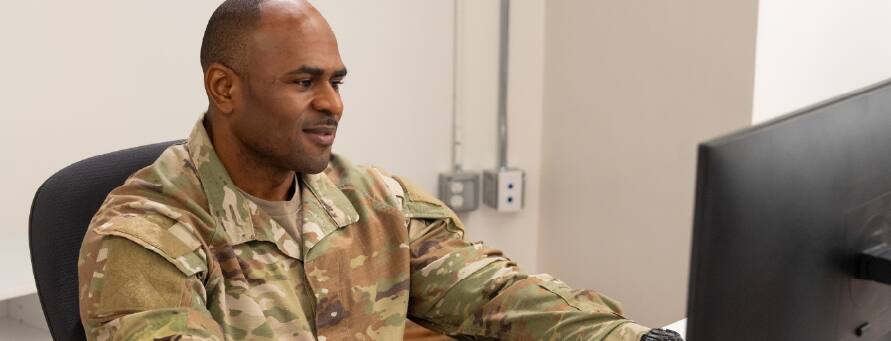
The Center for Higher Education Policy and Practice (CHEPP) at Southern New Hampshire University (SNHU) has published a new fact sheet, Supporting Military-Connected Learners in Higher Education, which examines the challenges military-connected learners face throughout their educational journeys and outlines strategies to strengthen academic and career opportunities.
Approximately 820,000 undergraduate students nationwide, or roughly 5% of all undergraduates, are veterans, active-duty service members, reservists or National Guard members. Military-connected learners also include military spouses, dependents, and Gold Star families. SNHU serves more than 33,000 military-connected students. While these learners bring valuable skills and experiences to higher education, many navigate barriers related to credit recognition, military education benefits, academic flexibility, and career transitions.
Drawing on research and recommendations from CHEPP's full report, Advancing Access and Success in Higher Education for Military-Connected Learners, the fact sheet identifies strategies for higher education leaders and policymakers to consider, including:
- Improving credit transfer policies to better recognize military experience and prior learning.
- Providing dedicated advising and flexible academic policies that accommodate deployments, relocations, and other responsibilities.
- Strengthening career services through targeted coaching and connections with military-friendly employers.
These recommendations highlight opportunities for higher education institutions to better meet the diverse needs of military-connected learners and help them succeed from enrollment through graduation and into the workforce.
More details can be found in CHEPP's recent blog post.
Explore more content like this article
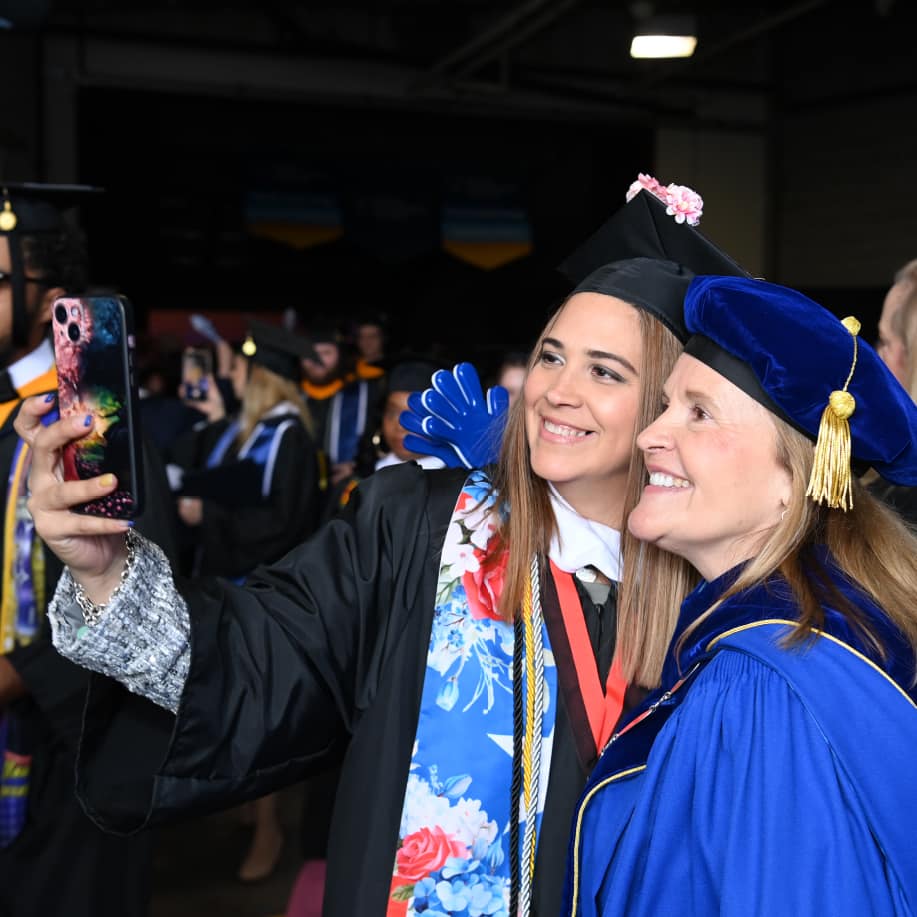
SNHU Marks Record Fall Commencement

CHEPP Report Explores Systemic Barriers to Career Opportunities for Learners with Disabilities
SNHU Again Named a Best Employer for Women by Forbes
About Southern New Hampshire University
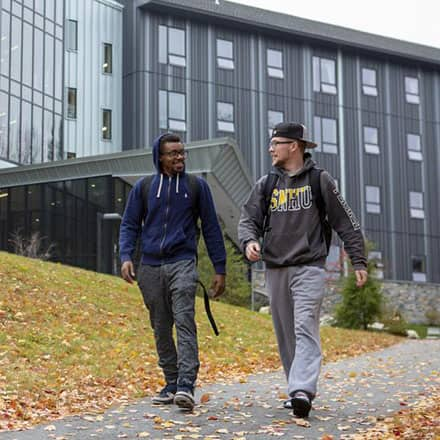
SNHU is a nonprofit, accredited university with a mission to make high-quality education more accessible and affordable for everyone.
Founded in 1932, and online since 1995, we’ve helped countless students reach their goals with flexible, career-focused programs. Our 300-acre campus in Manchester, NH is home to over 3,000 students, and we serve over 135,000 students online. Visit our about SNHU page to learn more about our mission, accreditations, leadership team, national recognitions and awards.