

CHEPP Report Explores Systemic Barriers to Career Opportunities for Learners with Disabilities

The Center for Higher Education Policy and Practice (CHEPP) at Southern New Hampshire University (SNHU) has published a new report, Creating Accessible Career Connectivity for Learners with Disabilities in Higher Education, which explores the systemic barriers learners with disabilities face when transitioning from college to career.
According to the National Center for Education Statistics, roughly 21% of undergraduates and 11% of graduate learners identify as having a disability. While higher education institutions continue working toward more accessible learning environments, learners with disabilities may still face challenges navigating accommodations and accessing support services. Similar barriers can arise when pursuing internships, apprenticeships, career coaching, and other professional development opportunities.
Drawing on research and interviews with subject matter experts and SNHU practitioners, the report identifies strategies for higher education leaders, employers, and policymakers to consider, including:
- Breaking down siloes between career advising and disability services offices at institutions of higher education.
- The need for student training on self-advocacy in higher education and the workforce, plus support in understanding the difference of accommodations in these settings.
- The need for employer training on hiring and supporting disabled workers.
These recommendations highlight opportunities for greater coordination between higher education institutions and employers to improve accessibility as learners prepare to enter the workforce.
More details can be found in CHEPP's recent blog post, Addressing Barriers to Accessible Career Connected Opportunities.
Explore more content like this article

Creating Pathways for Military-Connected Learners
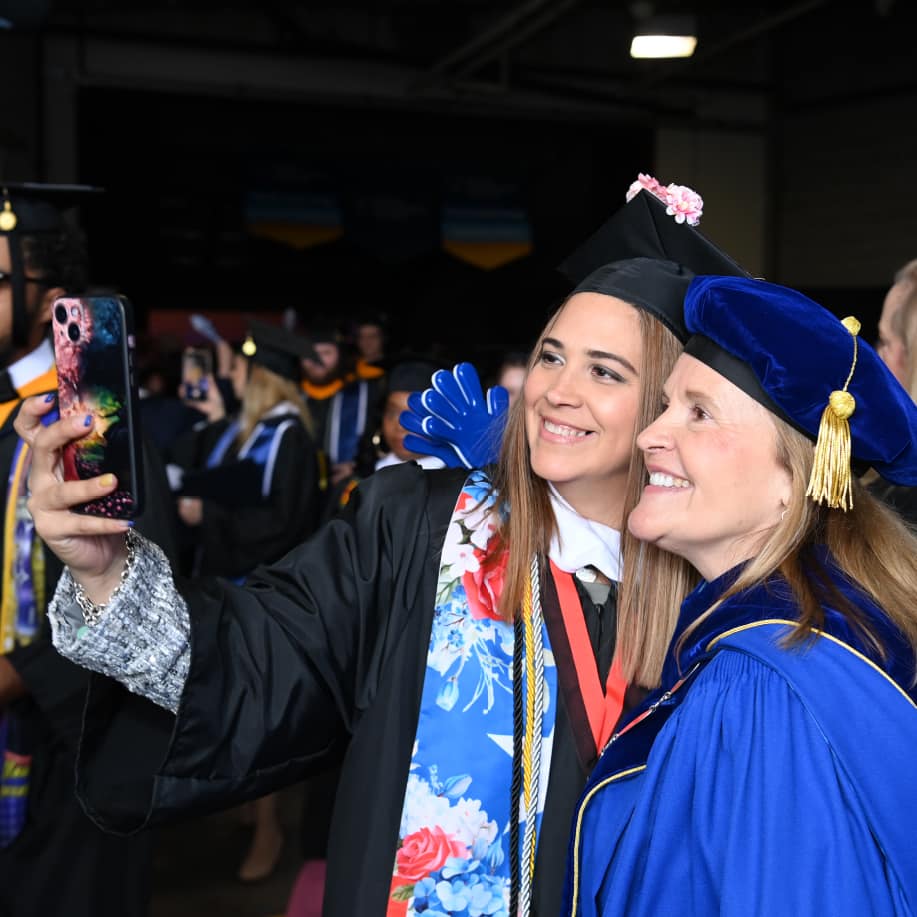
SNHU Marks Record Fall Commencement
SNHU Again Named a Best Employer for Women by Forbes
About Southern New Hampshire University
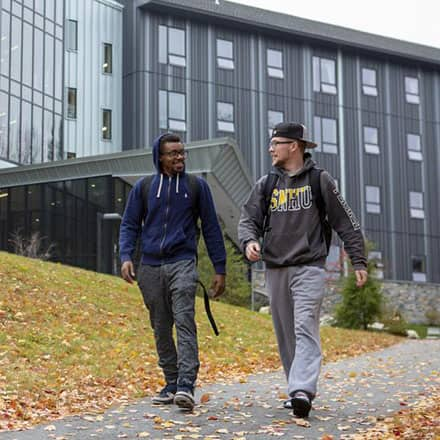
SNHU is a nonprofit, accredited university with a mission to make high-quality education more accessible and affordable for everyone.
Founded in 1932, and online since 1995, we’ve helped countless students reach their goals with flexible, career-focused programs. Our 300-acre campus in Manchester, NH is home to over 3,000 students, and we serve over 135,000 students online. Visit our about SNHU page to learn more about our mission, accreditations, leadership team, national recognitions and awards.