

Academic Spotlight: Dr. Audrey Rogers, Associate Dean of Graduate Education Programs
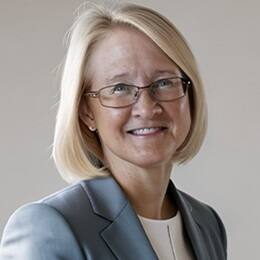
As associate dean of graduate education programs (GEP) at Southern New Hampshire University (SNHU), Dr. Audrey Rogers believes in the importance of education. As a longtime educator, she is passionate about learning, academic growth and the opportunities education creates.
Rogers earned her bachelor's degree in history from Tufts University, followed by a Master of Education in Curriculum and Instruction from the University of Massachusetts Lowell and a Master of Arts in History from the University of New Hampshire. She later went on to earn her Doctor of Education in Educational Leadership from Rivier University.
Recently, she shared her professional journey, her higher-education experiences and her passion for supporting graduate education and student success.
Can you tell us about your professional background?
I’m the associate dean for graduate education programs and a professor of education at SNHU in Manchester, New Hampshire. Before moving into higher education, I taught high school for 12 years, and I currently hold New Hampshire licensure as a social studies educator (grades 5–12) and digital learning specialist (K–12). I’m also past president and a current member of the NH IHE (Institutions of Higher Education) Network, a consortium of New Hampshire educator preparation programs.
I began teaching full time at SNHU in the education department primarily preparing candidates for secondary licensure. I taught undergraduate, graduate and doctoral courses. My recent publications have focused on competency-based education and assessment literacy in preservice educators, and my current research focuses on teacher candidate performance assessments and novice teacher experiences.
What first drew you to higher education?
I was teaching high school and doing adjunct work in New Hampshire. I taught some courses for SNHU and loved being on campus. I loved the vitality of campus life, the students and the thriving atmosphere. The innovative spirit and collegiality of the faculty drew me to apply for an open faculty position, and I was fortunate to get it. I was a full-time faculty member for 15 years before moving into my current role in 2022.
What aspects of your own education have been influential in shaping your career in academia?
When I taught high school, I used my undergraduate and master’s degrees every day. From knowing the content I taught, including history, economics, geography and law, to knowing how to effectively teach students, I drew from my history and education degrees on a regular basis. I felt very fortunate to be using what I learned in college.
Those same degrees helped me at SNHU, and I also use what I learned from my doctorate in educational leadership. The theories and research from that program came to life during my role as Chair of the Education Department and have been especially helpful now as I oversee the doctoral program and lead the other divisions of graduate education programs.
What attracted you to this field of study? What keeps you excited about it?
To me, education is one of, if not the most, impactful fields to which I could dedicate my life. I was an international relations/pre-law major for my first two years as an undergrad. In my sophomore year, I volunteered with the Big Sisters organization, and it opened my eyes to how I could positively influence the life of a younger person. I took a summer job at Massachusetts Institute of Technology (MIT) working with adolescents, and my change of major was confirmed: I wanted to focus on my love of history and teach at the secondary level to support as many young people as possible as they navigated school and life.
That same opportunity to make a difference is what continues to excite me about education today.
How have you found ways to effectively connect with students?
Students are at the heart of all we do, and I regularly connect with students either in classes or one-on-one. I love chairing dissertation committees and guiding students through the process of earning their doctorate. I especially get to connect with doctoral students when they come to campus for their residency experience each summer. During those five days, I have the opportunity to really get to know the students and build connections with them.
What brings you the greatest joy in your work at SNHU?
The greatest joy in my work is the people. This includes my GEP team, my education colleagues, my other SNHU colleagues, the adjunct faculty and the students I work with. Those people are the strength behind the programs and the great work we do. They make work fun and engaging, and I feel incredibly fortunate to work alongside people who care so deeply about our students and the work we do.
What do you feel is unique about the faculty and students you work with?
The professionals who teach for GEP are exceptionally dedicated. They bring not only their expertise to their teaching, but also a genuine commitment to their students and to the education profession. Our students bring that same commitment. Many are balancing work, family and school because they are passionate about becoming educators, educational leaders and leaders in education-adjacent fields. I think that shared sense of purpose makes our programs and our community special.
What does SNHU’s mission to transform the lives of learners mean to you?
I recently had the opportunity to present about this very thing. Our GEP mission is closely aligned with SNHU’s: The mission of GEP is empowering individuals to transform learners and their communities.
For me, the exciting part is seeing that mission come to life. Our programs support educator and leadership development in New Hampshire and throughout the region, but our impact extends far beyond that. Our doctoral students come from across the United States. Just look at our Director of Recruitment, Ron Pedro’s, LinkedIn page and you can see what our graduates are doing. They’re changing students’ lives, publishing books, speaking and leading across the country. Our licensure students are leading schools and changing students’ lives.
That’s what the mission means to me. The impact doesn't stop with the person earning the degree. It extends to the students, schools, organizations and communities they go on to serve. It’s an honor to be part of preparing tomorrow’s teachers and other organizational leaders through high-quality, affordable pathways.
Outside of work, what’s something you’re passionate about or really enjoy doing?
I enjoy the outdoors and love to kayak. I especially love walks on the beach and any activity that brings me on or near the water!
Learn More With a Degree
A degree can change your life. Choose your program from 200+ SNHU degrees that can take you where you want to go.
Alexa Gustavsen ’21 '26G is a content marketing specialist and writer at Southern New Hampshire University. Based in New Hampshire, she completed her bachelor's in creative writing and English on campus at SNHU. She also earned a master's in marketing from the university. Connect with her on LinkedIn.
Explore more content like this article

30 Education Quotes Everyone Needs to Hear

Some College, No Degree? How to Go Back to School
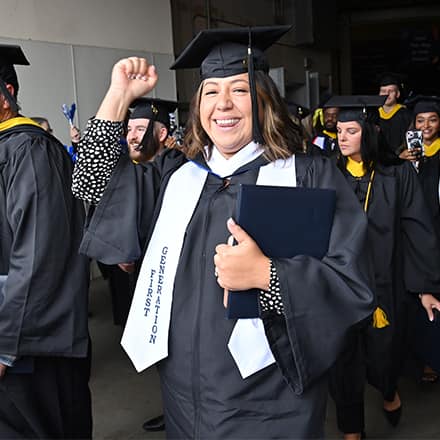
What Does First Generation Mean? A First-Gen Student Guide
About Southern New Hampshire University
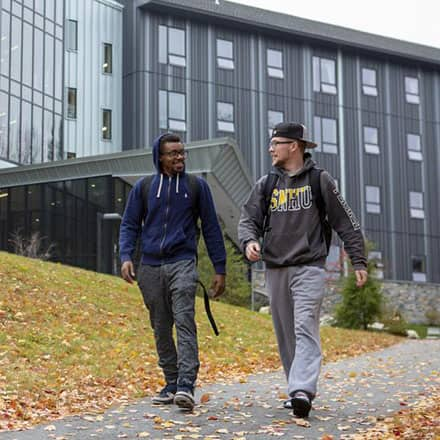
SNHU is a nonprofit, accredited university with a mission to make high-quality education more accessible and affordable for everyone.
Founded in 1932, and online since 1995, we’ve helped countless students reach their goals with flexible, career-focused programs. Our 300-acre campus in Manchester, NH is home to over 3,000 students, and we serve over 135,000 students online. Visit our about SNHU page to learn more about our mission, accreditations, leadership team, national recognitions and awards.