

What Are Extracurricular Activities and Why Are They Important?


Keyon Tuiteleleapaga ’22 ’24G - BA in Human Services and MS in Psychology.
Between classes, work and personal responsibilities, it’s easy to think of extracurricular activities as just something extra. But getting involved outside the classroom can be beneficial in many ways.
Learn what qualifies as an extracurricular activity, how involvement can support academic, career and personal growth, and why these activities matter during college and beyond.
What Are Extracurricular Activities?

“I would define extracurricular activities as any hobby or task focused on personal development outside the classroom,” said Hope Mohrland, admission counselor at Southern New Hampshire University (SNHU), who holds bachelor's and master's degrees in psychology.
Mohrland said these activities include:
- Clubs
- Leadership societies
- Sports
- Student jobs
- Volunteering
Not all extracurriculars have to be formal, though. They can also consist of more casual ways to connect and unwind, both in person and online. For example, college event calendars often list trips, virtual experiences, mixers and art exhibits, but students can also create their own activities, like weekly movie nights, informal study sessions or hobby meetups.
There are many options for extracurricular activities, even for online students. Read more about how to get involved as an online student.
Are Extracurricular Activities Beneficial?

While it’s easy to think about how extracurriculars will look on a resume, their benefits go far beyond just that. “Getting involved with extracurricular activities creates a well-rounded and fulfilling college experience,” said Lindsey Acampora, student involvement coordinator at SNHU.
Extracurriculars also give you opportunities that aren’t always available through coursework alone. “By engaging in a variety of clubs and events, students can grow personally, expand their perspectives and enhance both their academic and professional journeys,” Acampora said.
According to Acampora, extracurricular activities can help students in several important ways:
- Build confidence by giving you chances to speak up, take risks and try new things.
- Develop leadership and soft skills like communication, teamwork and time management.
- Explore interests outside of your major, work or routines.
- Make connections with people who share your interests, goals and potential career paths.
- Relieve stress by providing a fun outlet beyond work and school.

How to Choose The Right Extracurricular Activity
If you already have a career path or job goals in mind after graduation, it helps to think about how extracurricular activities can support your plan. Clubs, conferences, volunteering and honors societies can all open doors by helping you build skills, make connections and gain experience related to what you want to do next.

Chantel Freeman, associate director of student involvement, events and communication at SNHU, recommends starting by thinking about what you want out of your time in school. “What kinds of skills, experiences and connections would you like to have by the time you graduate? Begin with that end in mind, and it will guide and direct your attention to the spaces and activities where you will find the most benefit,” she said.
Freeman’s advice can be especially helpful for online students who might not realize how many virtual opportunities are available. At SNHU, for example, she encourages students to explore the university’s wide-reaching online community, made up of potential connections from across the world. “Jump into the virtual community, connect with peers, find interest group circles and attend virtual or regional events to meet new people and learn new things,” she said.
At the same time, Morgan Vaca, academic advisor at SNHU, said it’s important to remember that you don’t have to say yes to everything, especially if time constraints are a factor. “Be empowered to say no to optional extracurriculars that don’t directly support what you’re aiming to achieve for yourself,” she said.
Find Your Program
Why Do Extracurriculars Matter For College?
College can feel isolating for some students as coursework, assignments and deadlines take up more time and attention. A 2024 survey by Active Minds, a nonprofit organization focused on mental health awareness and advocacy for young adults, found that nearly 65% of college students reported feeling lonely.
Extracurricular activities create spaces for interaction. “Reaching out to peers, connecting with student leaders and even starting small conversations in online spaces can make a big difference,” said Acampora.
That engagement can also support academic outcomes. “One thing I learned during my undergraduate research is that a sense of belonging plays an important role in a student’s success in class,” said Mohrland. “This comes from having the ability to feel welcomed and confident, having a community to connect with and having support and resources available.”

When students encounter challenges, having resources that come from extracurriculars can help, according to Mohrland. “Life can bring many obstacles to obtaining higher education, so having access to resources, extra motivation to get an assignment completed or even just an ear to listen when feeling overwhelmed can be crucial in persevering,” she said.
Extracurriculars can also support learning inside the classroom. “Certain extracurricular activities and professional development opportunities can directly elevate your academic abilities,” said Vaca. “When accepting these opportunities, think about how your newfound knowledge can be incorporated into your current or future classes.”
Learn more about how to make connections in college.
How Do Extracurriculars Help Career Development?
So, do employers actually care about extracurriculars? In many cases, yes. “Any type of experience that pushes a student to collaborate, problem solve, lead or work with a team will transfer well to the workplace,” said Brooke Brigham, career engagement partner at SNHU.
She said extracurriculars can translate directly into workplace skills, such as:
- Adaptability
- Communication and organization
- Emotional intelligence
- Leadership and teamwork
- Project management

“The key in these experiences is being able to showcase them effectively on your resume, reflect on what you have learned and share that story with a prospective employer,” Brigham said.
Extracurriculars can also help you build professional networks. “A strong network can provide insider advice, mentorship, job referrals and more,” she said.
Brigham encourages students to start forming connections early with peers, faculty and professionals. She said these connections can also help you to learn about career opportunities that never make it to a public job board.
Ultimately, going to college is about more than the hours spent sitting in a classroom or logged into a discussion board. Finding ways to involve yourself in the community around you can ease your way into a new lifestyle full of opportunities.
A degree can change your life. Find the SNHU online degree that can best help you meet your goals.
Rebecca Cahill '26 is a content marketing assistant and writer at Southern New Hampshire University (SNHU). She completed her bachelor’s in creative writing and English at SNHU and is now pursuing a master's in English and creative writing. Based in Ohio, she has also written for FreshWater Cleveland and The Land and serves on the board of Literary Cleveland. When she’s not writing, you'll most likely find her nose in a book, dogs at her side, surrounded by way too many houseplants. Connect with her on LinkedIn.
Explore more content like this article

Some College, No Degree? How to Go Back to School
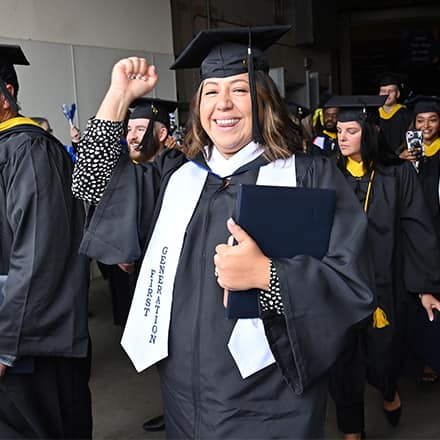
What Does First Generation Mean? A First-Gen Student Guide

Will My Credits Transfer?
About Southern New Hampshire University
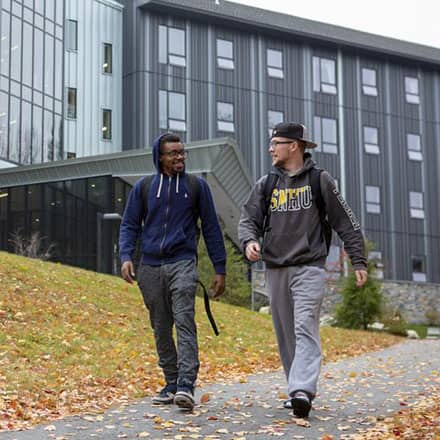
SNHU is a nonprofit, accredited university with a mission to make high-quality education more accessible and affordable for everyone.
Founded in 1932, and online since 1995, we’ve helped countless students reach their goals with flexible, career-focused programs. Our 300-acre campus in Manchester, NH is home to over 3,000 students, and we serve over 135,000 students online. Visit our about SNHU page to learn more about our mission, accreditations, leadership team, national recognitions and awards.