

Academic Spotlight: Tyra Davey, Associate Dean of STEM Programs
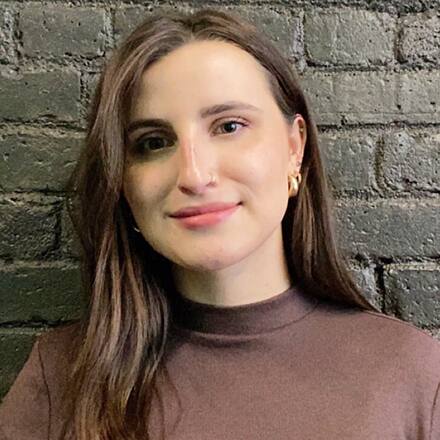
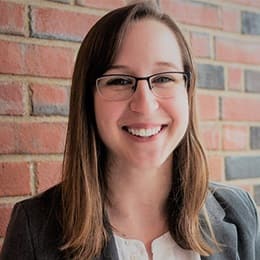
Tyra Davey is committed to making education accessible and meaningful for her learners.
Currently serving as associate dean of STEM programs at Southern New Hampshire University (SNHU), Davey earned a bachelor's in meteorology with a minor in mathematics from Millersville University and a master's in atmospheric science from the University of Illinois at Urbana-Champaign.
Recently, she answered questions about her path to higher education, the mentors who have shaped her career and her continued work with adult learners.
Can you tell us about your professional background?
My current roles at SNHU include associate dean in STEM, where I support our online BS Environmental Science and BS Geosciences programs, as well as adjunct faculty where I’ve taught courses in physics and atmospheric science.
What first drew you to higher education?
Prior to SNHU, I worked primarily with K–12 students in informal education settings such as summer camps, afterschool programs, field trips and in-school programming. In those roles, I especially enjoyed designing engaging lessons and supporting educators in delivering meaningful learning experiences, which led me into instructional and curriculum design work in higher education focused on creating accessible, impactful learning.
Through that work, I discovered a strong interest in supporting adult learners as they pursue their career goals. This path made higher education — and SNHU in particular — a perfect fit for me.
What aspects of your own education have been influential in shaping your career in academia?
Mentors and instructors throughout my education created environments where I felt supported, challenged and encouraged to grow. Their example shaped my commitment to creating inclusive, student-centered learning spaces where others can thrive.
Early experiences in my career also showed me that traditional models don’t meet every learner’s needs, reinforcing my belief that education is most powerful when we meet students where they are. This was core to finding my place at SNHU. For 8 years now, I have been delivering this mission to thousands of students.
What attracted you to this field of study? What keeps you excited about it?
Meteorology first captured my interest because it connects directly to the world around us — what you study in the classroom can be seen outside your window. This field is also grounded in public service, focused on educating the public and protecting communities from hazardous weather. That connection between science, communication and helping others continues to energize my work in both STEM education and academic leadership.
How have you found ways to effectively connect with students?
I connect most effectively with students through career-focused conversations that center on their goals and prior experiences. SNHU learners bring diverse professional and personal backgrounds, and I enjoy helping them build on those strengths as they move forward. Meeting students where they are and maintaining relationships beyond the classroom helps foster confidence, persistence and long-term success.
What brings you the greatest joy in your work at SNHU?
SNHU’s unwavering focus on student success is what brings me the greatest joy. Every day, I work alongside colleagues who are deeply committed to helping learners achieve their goals. Knowing that my work contributes to meaningful change in students’ lives is both motivating and rewarding.
What do you feel is unique about the faculty and students you work with?
Our students demonstrate exceptional resilience, often balancing full-time work, family responsibilities and academic commitments. Faculty understand these realities and bring both expertise and empathy to their roles. Together, this creates a positive learning environment where all students can grow.
What does SNHU’s mission to transform the lives of learners mean to you?
SNHU’s mission is reflected in the daily work we do to expand access and create meaningful opportunities for learners. It aligns closely with my personal commitment to helping others grow through the power of education.
Outside of work, what’s something you’re passionate about or really enjoy doing?
Living along New Hampshire’s seacoast, I enjoy spending my time outdoors exploring New England’s mountains and beaches. I’m also passionate about photography, which allows me to capture all the beauty in our natural environment.
A degree can change your life. Choose your program from 200+ SNHU degrees that can take you where you want to go.
Alexa Gustavsen ’21 '26G is a content marketing specialist and writer at Southern New Hampshire University. Based in New Hampshire, she completed her bachelor's in creative writing and English on campus at SNHU. She also earned a master's in marketing from the university. Connect with her on LinkedIn.
Explore more content like this article

What Do Programmers Do, Anyway?

Data Science vs. Data Analytics: What's the Difference?

What is Data Analytics?
About Southern New Hampshire University
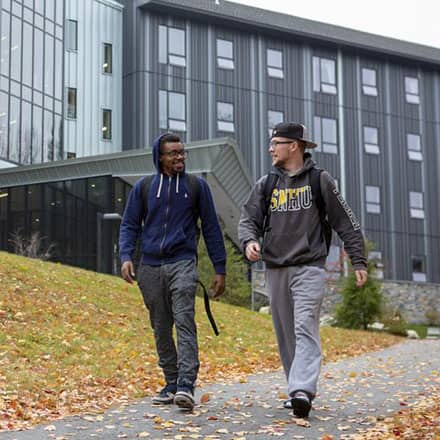
SNHU is a nonprofit, accredited university with a mission to make high-quality education more accessible and affordable for everyone.
Founded in 1932, and online since 1995, we’ve helped countless students reach their goals with flexible, career-focused programs. Our 300-acre campus in Manchester, NH is home to over 3,000 students, and we serve over 135,000 students online. Visit our about SNHU page to learn more about our mission, accreditations, leadership team, national recognitions and awards.