

Academic Spotlight: Kaia Cunningham, Dyslexia and Language-Based Learning Disabilities Adjunct Instructor
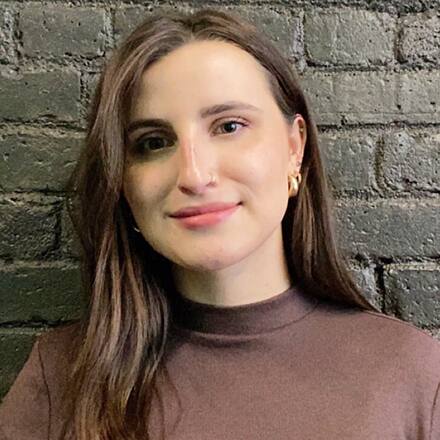
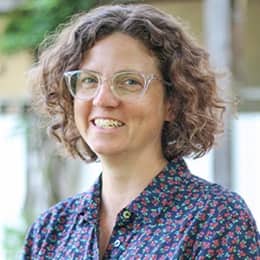
As an adjunct instructor, Kaia Cunningham is dedicated to connecting with her students and helping them become successful educators. Cunningham teaches courses in Southern New Hampshire University's (SNHU) Graduate Certificate in Dyslexia and Language-Based Learning Disabilities program, which she helped develop through a partnership with Landmark Outreach, an affiliate of Landmark School, a school for students with language-based learning disabilities.
In addition to her work at SNHU, she teaches at Landmark School's high school campus and also supports educators, professional development and language-based learning initiatives through Landmark Outreach. Cunningham earned her bachelor's in English literature from the College of Santa Fe in New Mexico and her master's degree in special education from Simmons College.
Recently, Cunningham answered questions about her work supporting students with dyslexia and other language-based learning disabilities, as well as what inspires her as an educator at SNHU.
Can you tell us about your professional background?
I have worked in education for my entire professional career. If anyone asks what I do for a living, I always say that I am a high school special education English teacher, and this coming school year will be my 20th year of teaching. My other role at Landmark is with Landmark Outreach. I am the content manager and am responsible for authoring posts on literacy, editing contributors' blogs and staying informed on emerging research and information in the fields of literacy and special education. I also help to coordinate online teaching opportunities for our faculty through Landmark Outreach's partnership with SNHU.
What first drew you to higher education?
Landmark School’s partnership with SNHU gave me the opportunity to teach other teachers. I love to share what I have learned over the last two decades about teaching students with dyslexia, how to work to make school an easier place for those students and how to help those often misunderstood students gain visibility in the classroom.
What aspects of your own education have been influential in shaping your career in academia?
I have always loved learning, reading and writing and these are the things that drew me to a career in education and later to working in higher education. As I got further along in my teaching career, I realized that what made the most effective educators was not just a deep understanding of a specific content area but a curiosity to understand how people learn, and equally important, the desire to use that information to help their students feel their most successful. The longer I work with adolescents, the more I see how this is what creates the most effective classrooms: the belief that your students are capable and the willingness to structure a classroom to help them get there.
Landmark School is known for its pioneering charge in helping students with dyslexia reach their full potential, but it is also known for its kind and caring teachers. When students are interviewed about their experience at Landmark, their teachers are always mentioned as a part of what made their experiences so positive. Being a part of this has certainly shaped what I want to communicate in my work with SNHU.
What attracted you to this field of study? What keeps you excited about it?
Working in a classroom filled with students with dyslexia for one! Having family members with dyslexia is another. I think that understanding how differences and disabilities are communicated and understood in the school setting is so important, given what I do and who my family members are. Increasing my own understanding and learning as much as I can, I think, can help to communicate that it is not students who need to hide or change, but the world around them that needs to make room for them because it is differences that make human experience rich and diverse.
How have you found ways to effectively connect with students?
I think discussion boards, leaving feedback on work, email and finding any avenues I can to share my experiences helps me to effectively connect with my students. I like to highlight that I still teach and that I can certainly relate to many of the challenges they might be facing.
What brings you the greatest joy in your work at SNHU?
I love reading about all the different experiences we all bring to the online classroom. So many people from all over! So many different experiences and roles in the education setting.
What do you feel is unique about the faculty and students you work with?
The diversity! We are from all over, and bring so many different experiences to the table.
What does SNHU’s mission to transform the lives of learners mean to you?
Landmark School has a similar mission. It’s so nice to be a part of not only one institution but two that are committed to making learning and education accessible. This can truly be life-changing.
Outside of work, what’s something you’re passionate about or really enjoy doing?
I love to read, hang out with friends and family and cook.
A degree can change your life. Choose your program from 200+ SNHU degrees that can take you where you want to go.
Alexa Gustavsen ’21 '26G is a content marketing specialist and writer at Southern New Hampshire University. Based in New Hampshire, she completed her bachelor's in creative writing and English on campus at SNHU. She also earned a master's in marketing from the university. Connect with her on LinkedIn.
Explore more content like this article

Some College, No Degree? How to Go Back to School
What Does First Generation Mean? A First-Gen Student Guide
Will My Credits Transfer?
About Southern New Hampshire University
SNHU is a nonprofit, accredited university with a mission to make high-quality education more accessible and affordable for everyone.
Founded in 1932, and online since 1995, we’ve helped countless students reach their goals with flexible, career-focused programs. Our 300-acre campus in Manchester, NH is home to over 3,000 students, and we serve over 135,000 students online. Visit our about SNHU page to learn more about our mission, accreditations, leadership team, national recognitions and awards.