

Academic Spotlight: Dr. Christopher Lee, Associate Dean of English Programs
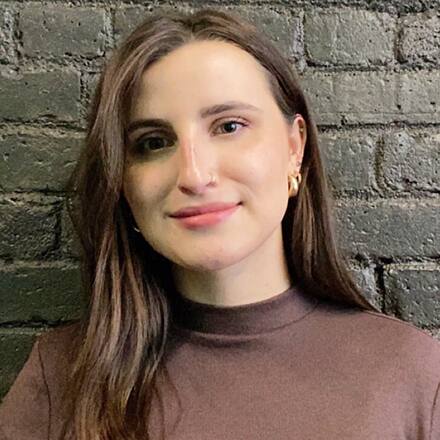

Dr. Christopher Lee has had a love for literature since his early childhood, and now, having been a member of Southern New Hampshire University’s (SNHU) community for over two decades, he serves as associate dean overseeing English programs. After earning his Bachelor of Arts (BA) in Comparative Literature, Lee went on to earn his Master of Arts, Master of Philosophy and PhD, all in Comparative Literature from Columbia University.
Lee recently answered questions about the world of literature, his work with students and his journey at SNHU.
Can you tell us about your professional background?
I’ve been in the higher education field for all of my adult life. I started teaching at SNHU as an online adjunct way back in 2003, when our online division was fairly new, so it has been amazing to see how we’ve grown exponentially over the past two decades to serve so many learners around the world. In 2013, I became a full-time faculty member and in 2019, the associate dean for the English programs.
What first drew you to higher education?
When I was growing up in New York City, I read a lot of books and was exposed to a lot of culture around me. I was fascinated by the whole human experience — art, literature, music, history — and loved being a student. So, the logical extension for me was to pursue higher ed as a career where I could give learners a similar exposure to the humanities fields.
What aspects of your own education have been influential in shaping your career in academia?
I’ve been fortunate to have had various instructors who were enthusiastic about literature and invested in sharing that. I remember one who jumped up on his desk while acting out a scene from Shakespeare and another who would have intimate discussion circles where we had in-depth conversations about what we read. I also aim to keep literature engaging and interesting to make the learner experience memorable.
What attracted you to this field of study? What keeps you excited about it?
Going back to my younger days, I remember having the desire to read ALL the major works of literature, but as I’ve gotten older, I realize it’s impossible. However, that’s what makes the field exciting — there’s so much out there, and the more you study, the more you see connections not only between works of literature but between literature and history or the other arts. English also adjusts as a field to contemporary issues that arise, such as AI and an increased need to develop workplace skills, so it’s always adapting.
How have you found ways to effectively connect with students?
When I teach literature online, I always pinpoint something in my individual feedback that a student has done well in their interpretative work, and then I’m also happy to provide direction and support on how they can develop going forward. I prioritize communication in this way and focus on building 1:1 relationships.
What brings you the greatest joy in your work at SNHU?
Having colleagues who are all dedicated to ensuring we provide students with the tools they need to succeed and achieve the credentials they came here to obtain, from my fellow academic programs staff to instructors and advisors alike.
What do you feel is unique about the faculty and students you work with?
It’s the level of commitment. Faculty often go the extra mile to work with learners and the students reciprocate in their drive to succeed. Even though they may be working full-time and have a lot going on in their lives, they are committed to overcoming obstacles.
What does SNHU’s mission to transform the lives of learners mean to you?
I grew up in a single-parent household where the main financial support for four people was my immigrant grandfather, who worked long hours in a garment factory. My family prioritized education as a pathway to economic security. I’ve experienced firsthand how higher ed correlates with professional achievement, so I’m proud to teach and work as a dean at SNHU where I can support our mission to provide the same opportunities to our learners.
Outside of work, what’s something you’re passionate about or really enjoy doing?
Lately, I’ve been interested in antiques, which is complementary to my academic work. Literature can voice the ideas of the past, while antiques are tangible physical objects of a certain time. Because they represent something enduring in an age where so much is virtual and impermanent, antiques are very grounding. Best of all, they are environmentally sustainable because they were made long ago and are being reused rather than disposed of. You can get a lot of great deals on antiques too, and the process of browsing at a small business and finding something affordable that speaks to you is also a joy. I highly recommend it.
A degree can change your life. Choose your program from 200+ SNHU degrees that can take you where you want to go.
Alexa Gustavsen ’21 '26G is a content marketing specialist and writer at Southern New Hampshire University. Based in New Hampshire, she completed her bachelor's in creative writing and English on campus at SNHU. She also earned a master's in marketing from the university. Connect with her on LinkedIn.
Explore more content like this article

Why the Humanities Are Important Now More Than Ever

Academic Spotlight: Dr. Karen Wilkinson, Associate Dean of Online Communication Programs

Creative Writing MA vs. MFA: What's the Difference?
About Southern New Hampshire University
SNHU is a nonprofit, accredited university with a mission to make high-quality education more accessible and affordable for everyone.
Founded in 1932, and online since 1995, we’ve helped countless students reach their goals with flexible, career-focused programs. Our 300-acre campus in Manchester, NH is home to over 3,000 students, and we serve over 135,000 students online. Visit our about SNHU page to learn more about our mission, accreditations, leadership team, national recognitions and awards.