

Academic Spotlight: Dr. Karen Wilkinson, Associate Dean of Online Communication Programs
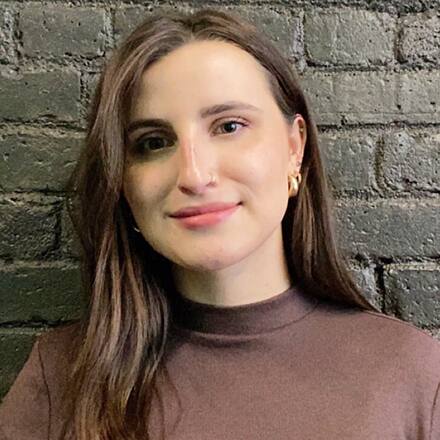
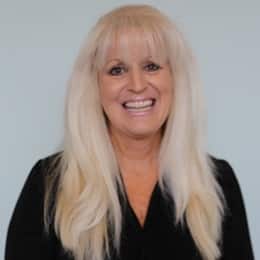
Dr. Karen Wilkinson is a lifelong learner, educator and communication professional with more than 40 years of experience. Currently, Wilkinson serves as an associate dean overseeing online communication programs at Southern New Hampshire University (SNHU), bringing industry experience and passion to her work.
Wilkinson began her own education journey by earning an associate degree from Randolph Technical College and later earned a Bachelor of Arts in Community Studies/Media Literacy from the University of Massachusetts Boston. She then earned her Master of Arts in English with a concentration in Technical and Professional Communication from East Carolina University. In 2020, she earned her Doctor of Education in Curriculum & Instruction with a concentration in Educational Technology from the University of South Carolina.
Recently, Wilkinson answered questions about how she connects with learners, what inspired her throughout her own education and what keeps her excited about communication.
Can you tell us about your professional background?
I’ve had an incredible and vastly fulfilling career, with the honor and privilege of working in the fields of communication, public relations, marketing, advertising and higher education for over 40 years. My career experiences span the corporate, government and higher education realms and include roles such as director of communication and public information officer, marketing and community relations manager, corporate fundraiser, corporate trainer, lead faculty and associate dean.
What first drew you to higher education?
After more than 30 years in corporate and government work, I discovered the opportunity to teach online at SNHU. I had prior experience as a corporate trainer and public information officer and the required level of education to teach at SNHU. As one who had taken classes online and experienced distance learning as early as 2002, I was enamored with the potential to support and teach those who could not attend a physical classroom environment. I could relate and felt a kindred spirit to these learners. I began teaching in 2012, and shortly after, I applied and became a full-time lead faculty member for SNHU. I was excited to share with my students and offer the knowledge I had gained through my education, industry experience and real-world encounters.
What aspects of your own education have been influential in shaping your career in academia?
Without hesitation, I can share that I am a lifelong learner. I love to learn. A little after Y2K (2000), I began taking what were then referenced as correspondence courses. I received instruction and floppy disks in the mail and would complete assignments and return them for grading. Shortly afterwards, I began online learning. As a young mother, I learned web design, Flash animation and Adobe’s creative applications late at night from home, after everyone else was asleep. I was hooked.
First, I think of my students as kindred spirits, as I too juggled numerous family commitments and workplace obligations, in addition to my online studies. I strive to offer kindness and empathy as they work through conflicts and challenges during the term. To build learner confidence, I reference my students as “scholars” and “fellow communicators.” This levels the playing field and offers approachability.
Throughout my educational journey, I’ve had mentors who encouraged me and instructors who demonstrated traits I wanted to personify in the online teaching environment. In turn, I respond promptly to student questions and outreach, as I want to help them save time and reduce any unnecessary stress. In grading, I deliver a wealth of actionable feedback. I type out comments directly on their submissions to help students see how to polish their dedicated work, as my goal is to help them succeed not only in the classroom but in support of their future career aspirations and dreams.
Often, if the feedback is instrumental to the next assignment, I not only post the graded assignment in the course Grade Center, but I email a copy of their respective graded work to each student. Small mistakes add up when potential employers are hiring and reviewing an applicant's work. By assisting students in perfecting their work now, I can help provide them with a robust portfolio to support future gainful employment.
What attracted you to this field of study? What keeps you excited about it?
Communication touches every field, workplace and environment throughout contemporary society. To share information, one must be able to communicate in an effective manner. Oral, written and visual messages must be understandable and deliver an impact. The ability to express oneself, deliver information and communicate effectively is paramount for succeeding within all workplace environments.
Cutting-edge technology and new media add new, exciting and ever-evolving layers to the study of communication. Today, more than ever, individuals are inundated with digital technology and online social opportunities. The ability to create and deliver content via the correct context, channel and medium is essential to ensuring that communication efforts are strategic and successful.
Digital environments deliver vast opportunities to engage with global audiences. Social media offers an online conversation. Instead of speaking to audiences, contemporary communicators speak with them. Therefore, communicators must host the appropriate skill sets necessary to share information in an ethical, transparent and timely manner. In turn, communicators must be able to engage in a positive and informative manner. Lastly, contemporary communicators must have the capacity to weed through the plethora of online information and determine which content is valid and reliable.
Modern-day communications offer a unique mobile quality; technology travels with users who are constantly connected and online. Contemporary audience members seek to receive information in an immediate manner. For communicators, an awareness of cutting-edge tools and platforms is paramount to their ability to inform, educate, persuade and defend their employers and their brand identities.
Today, audiences are global. One-size message does not fit all. Audience members are diverse, culturally unique and host distinctive opinions and thought patterns based upon their past experiences. To connect with these audiences, communicators must learn to understand and appreciate their differences and unique qualities. They must develop a keen understanding for how their messages should be created, how they will be received and the impact that they will deliver to those who receive them. In creating an approach, communicators must learn to think critically and creatively in efforts to craft strong and effective messaging solutions. This attention to detail will support a planned and tactical approach and ensure that strategic communication efforts are provided.
How have you found ways to effectively connect with students?
Absolutely. As noted, I refer to our communication students as “scholars” and strive to relate to them as “fellow communicators” in efforts to ease tension, elevate confidence and create a level playing field for future conversations and questions. Above all, I strive to be approachable and respond promptly.
I share relatable stories so our COM scholars can see my learning path and career evolution as well. I share that I continue to learn each day, and I’m thankful for the opportunity to continue learning alongside them during our time together.
I find that it’s incredibly helpful to share “war stories” and my industry experiences from my decades of work in communication. Often, I share my biggest takeaways from those learning experiences, including successes and failures, so that our COM scholars can see the value of continuous learning and improvement. I remind all that it’s a journey, and we are continuously learning and moving forward. I consider it a gift to be able to do so within the exciting realm of Communication.
When I grade, I offer suggestions for improvement so that students can move forward and make positive changes. I offer actionable feedback. As appropriate, I share links to online guidance in support of APA formatting, grammar and punctuation, and legal and ethical standards. Above all, I’m present and offer encouraging words and motivation from the first day of class through the last. After the completion of end-of-term grading, I extend the opportunity for COM scholars to stay in touch via LinkedIn. In turn, they can reach out to me for support and guidance after graduation, and I can celebrate their many future accomplishments with them as they continue along their career pathways. Our instructor-student relationship doesn’t end with graduation; it evolves into a bond between peer-to-peer communicators.
What brings you the greatest joy in your work at SNHU?
I find great joy in watching our communication scholars grow in confidence, curiosity and capability. It’s both humbling and rewarding to consider that I may have played a very small part in their academic achievements.
What do you feel is unique about the faculty and students you work with?
At SNHU, I’m surrounded by brilliance. I have the great honor and privilege of working alongside industry experts, renowned scholars and dedicated staff members who never give up on a student striving to succeed. We work in harmony to surround our students with support, building confidence through encouragement and an unwavering belief in their ability to triumph.
Our students are passionate about their pursuit of knowledge. They juggle a multitude of personal obligations and professional commitments in addition to their studies. It’s this dedicated pursuit of knowledge that sustains them during their academic journey. It will carry them into the future and allow them to continue to soar.
What does SNHU’s mission to transform the lives of learners mean to you?
At SNHU, we see each learner as an individual. Our mission is to help each scholar become more confident, capable and empowered to pursue exciting, cutting-edge opportunities they may have never envisioned for themselves.
Outside of work, what’s something you’re passionate about or really enjoy doing?
I am an avid walker and nature enthusiast. I thrive on being outdoors, planting flowers, gardening, hiking and kayaking. It brings balance to my life.
In addition, I’m passionate about supporting those who experience food insecurity. Often, we take these basic needs for granted, but each day, we are surrounded by individuals who struggle to access necessary nourishment. My neighborhood offers a community garden with a food closet where residents are encouraged to give what they can and take what they need. There’s a simple and honest beauty in helping someone you may never meet.
A degree can change your life. Choose your program from 200+ SNHU degrees that can take you where you want to go.
Alexa Gustavsen ’21 '26G is a content marketing specialist and writer at Southern New Hampshire University. Based in New Hampshire, she completed her bachelor's in creative writing and English on campus at SNHU. She also earned a master's in marketing from the university. Connect with her on LinkedIn.
Explore more content like this article

Why the Humanities Are Important Now More Than Ever

Creative Writing MA vs. MFA: What's the Difference?
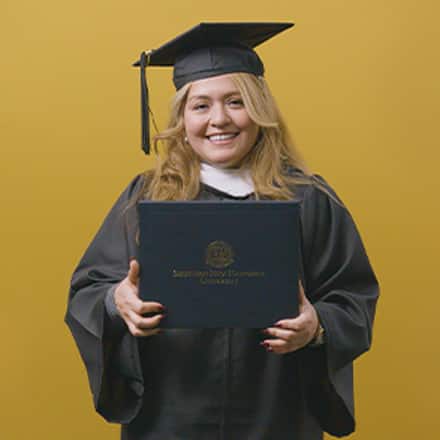
Nelly Bernal Earned Her Degree to Inspire Her Family’s Next Generation
About Southern New Hampshire University
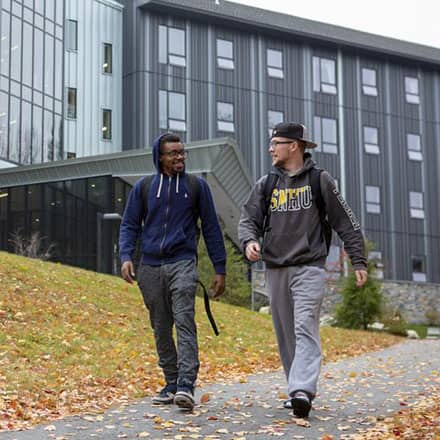
SNHU is a nonprofit, accredited university with a mission to make high-quality education more accessible and affordable for everyone.
Founded in 1932, and online since 1995, we’ve helped countless students reach their goals with flexible, career-focused programs. Our 300-acre campus in Manchester, NH is home to over 3,000 students, and we serve over 135,000 students online. Visit our about SNHU page to learn more about our mission, accreditations, leadership team, national recognitions and awards.